
How Seasonal Trends Impact Equipment Financing in Australia
Understanding Seasonal Trends in Equipment Financing
In Australia, equipment financing is heavily influenced by seasonal trends. Various industries experience peaks and troughs in demand based on the time of year, and this affects how businesses approach financing. Understanding these trends can be crucial for making informed decisions that align with industry cycles.
Seasonal trends impact numerous sectors, from agriculture to construction and retail. Businesses in these fields often require additional equipment during busy periods, which leads to increased demand for financing options. Recognizing when these peaks occur can provide a competitive advantage.

The Agricultural Sector
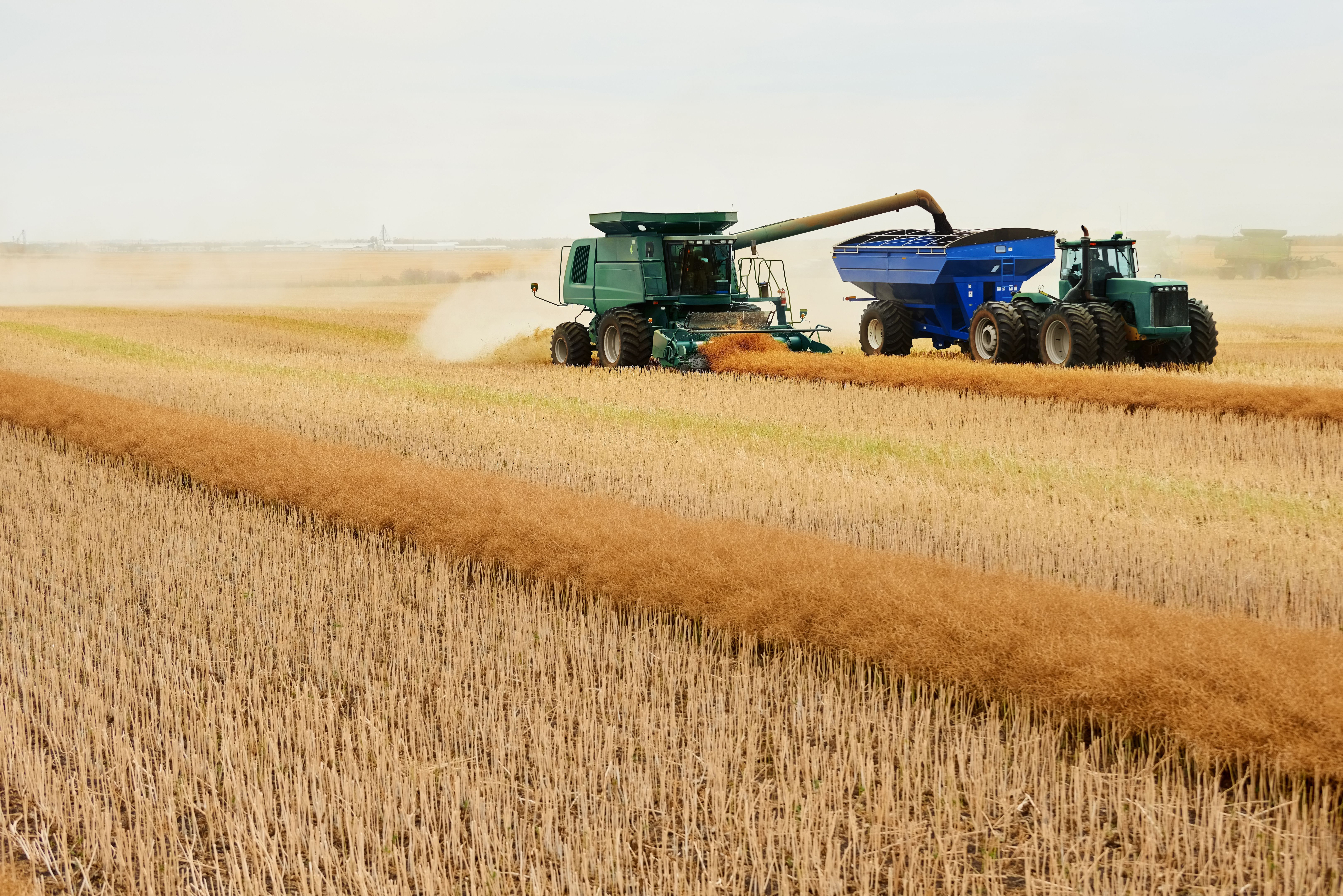
Agriculture is one of the most prominent sectors affected by seasonal changes. The planting and harvesting cycles dictate the need for specific machinery and equipment. For instance, farmers may seek financing for tractors and harvesters during peak planting seasons. This cyclical demand can influence interest rates and terms offered by lenders.
Moreover, weather conditions play a significant role. A dry season might reduce the need for certain equipment, while a wet season might increase it. Understanding these dynamics allows agricultural businesses to plan their financing needs more effectively.
Construction Industry Dynamics
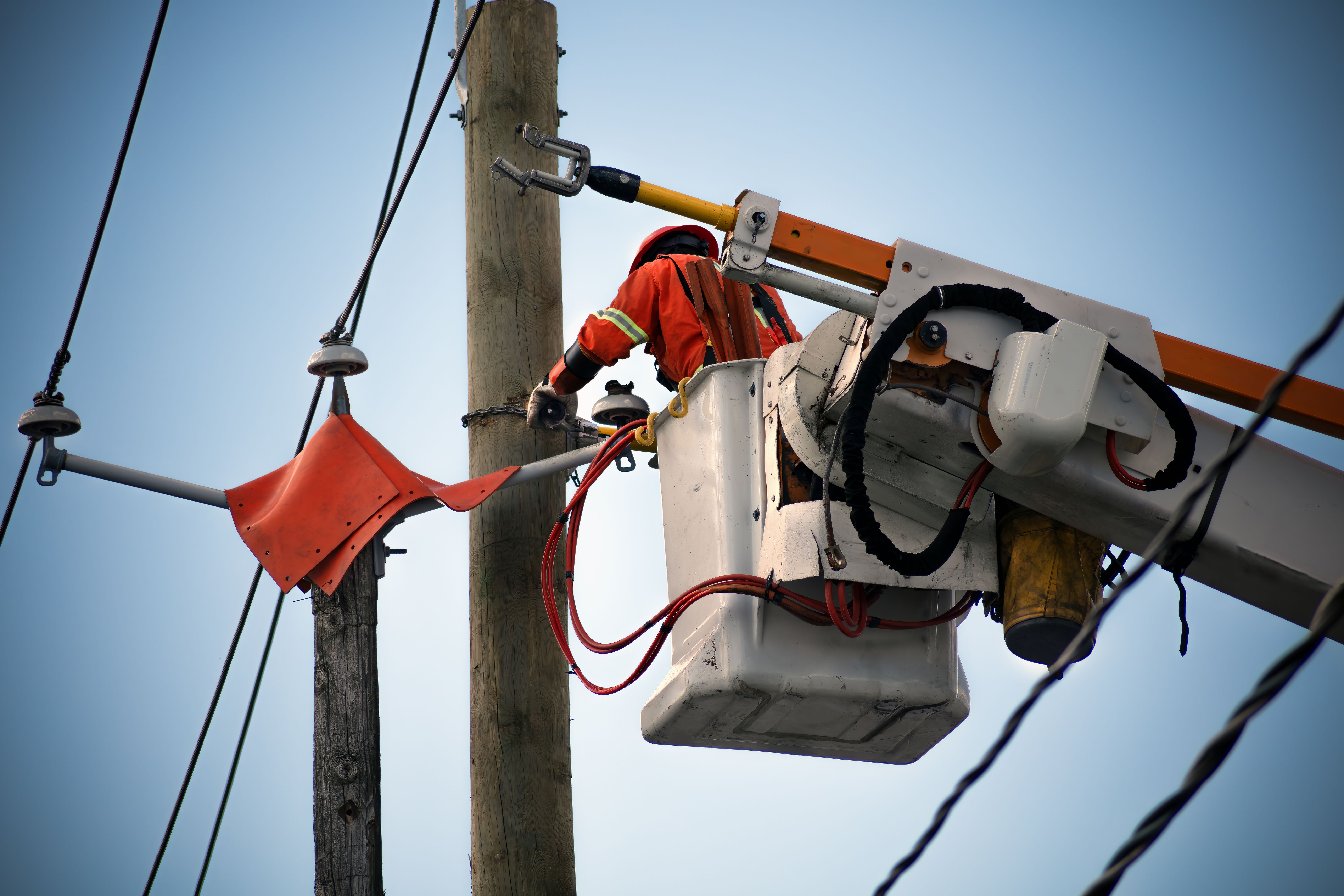
In the construction industry, the demand for equipment financing often spikes in spring and summer. Warmer weather conditions lead to increased construction activity, necessitating more machinery such as excavators and loaders. Companies often prepare for these busy periods by securing financing in advance.
Additionally, government projects and infrastructure developments can create surges in demand. Being aware of upcoming projects can help construction firms anticipate their equipment needs and arrange suitable financing options.
Retail and Holiday Seasons
The retail sector experiences predictable seasonal trends, particularly around major holidays. Increased consumer spending during Christmas, Easter, and other holidays often leads businesses to expand their operations, requiring additional equipment like point-of-sale systems and storage solutions.
Securing financing ahead of these peaks ensures that retailers can meet customer demand without unnecessary delays. Timing is crucial, as late financing can result in missed opportunities and reduced sales.
Adapting to Seasonal Changes
Businesses that successfully navigate seasonal trends in equipment financing tend to exhibit flexibility and foresight. By analyzing past trends and forecasting future demand, companies can optimize their financing strategies to minimize costs and maximize efficiency.
It's also beneficial to establish relationships with lenders who understand these seasonal needs. Such partnerships can lead to more favorable financing terms and quicker approval processes, providing a significant edge in competitive markets.

Conclusion
Seasonal trends play a pivotal role in shaping equipment financing in Australia. By understanding and anticipating these changes, businesses can strategically plan their financing needs to align with industry cycles. This proactive approach not only enhances operational efficiency but also contributes to long-term financial stability.