
Expert Tips on Securing Equipment Finance for Startups
Understanding Equipment Finance for Startups
Securing equipment finance can be a daunting task for startups. However, understanding the fundamentals can significantly ease the process. Equipment finance refers to the loans or leases specifically designed to help businesses acquire necessary machinery, vehicles, or technology.
For startups, acquiring the right equipment is crucial for operational efficiency and growth. It’s important to explore all available options and tailor them to your business needs. Here are some expert tips to guide you through securing equipment finance effectively.

Assess Your Equipment Needs
Before approaching lenders, it's essential to assess your equipment needs. Determine what type of equipment is necessary for your operations. Ask yourself questions like: What technology is indispensable? How will this equipment enhance productivity? This clarity will not only help in acquiring the right tools but also in convincing lenders of the necessity of the funds.
Startups should consider the long-term benefits versus the immediate costs. Investing in high-quality equipment that requires minimal maintenance can save money down the line.
Explore Different Financing Options
There are several financing options available for startups, each with its own set of advantages and limitations. Consider options such as:
- Leasing: Leasing can be a good option if you need equipment that may become outdated quickly. This allows you to upgrade without significant financial burdens.
- Loans: Traditional loans provide full ownership after repayment, which is ideal for equipment with a long lifespan.
- Equipment Finance Agreements (EFAs): EFAs combine the benefits of both loans and leases, offering flexibility.

Prepare a Solid Business Plan
A well-structured business plan is crucial in convincing lenders to finance your equipment. Your plan should clearly outline your business model, financial projections, and how the equipment will contribute to your business goals. Lenders look for assurance that your startup is viable and that you can repay the borrowed amount.
Include detailed cash flow statements and balance sheets. Highlight past successes and current opportunities to demonstrate your startup's potential for growth and profitability.
Build a Strong Credit Profile
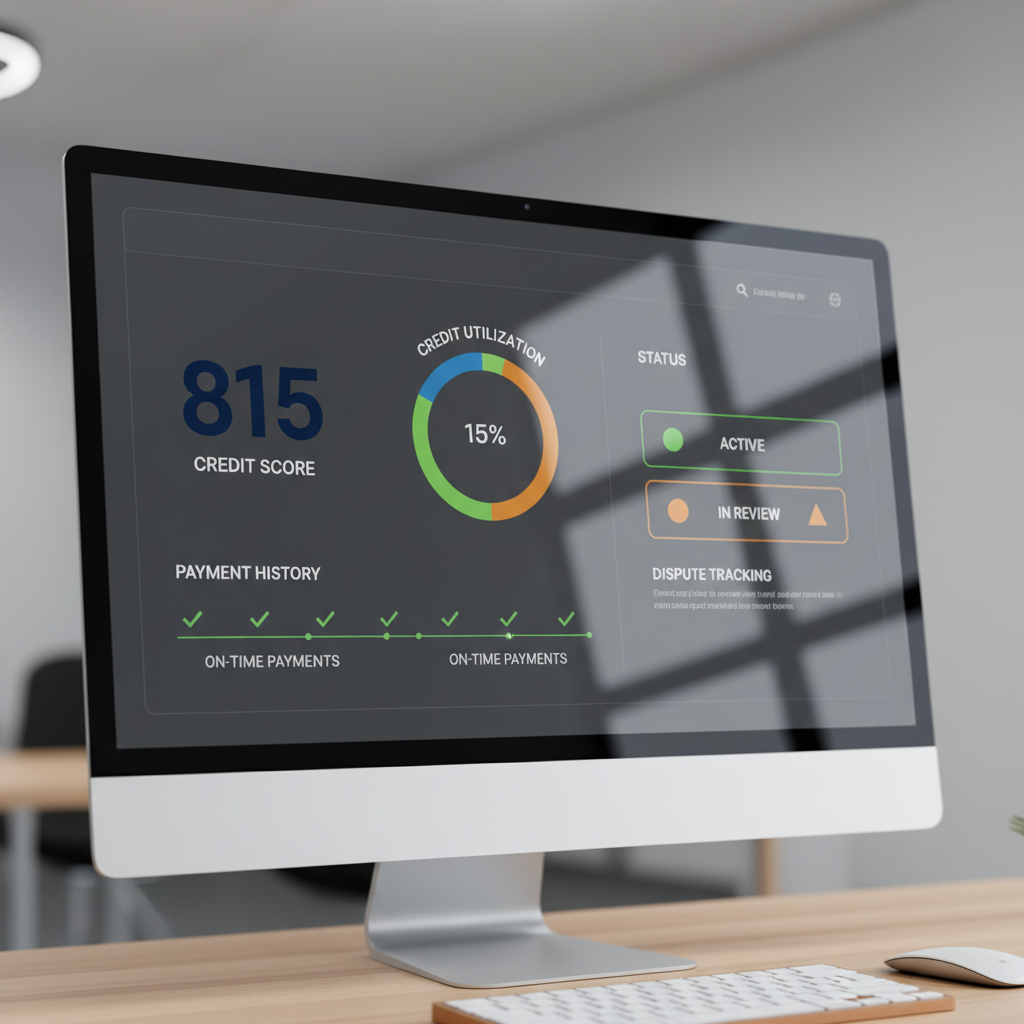
Your credit profile plays a significant role in securing equipment finance. A strong credit score can make you eligible for better interest rates and terms. Startups should actively work on building their credit by paying bills on time and managing debts responsibly.
If your startup lacks a significant credit history, consider leveraging your personal credit score or bringing in a co-signer with a solid financial background.
Negotiate Terms and Conditions
Once you identify potential lenders, don't hesitate to negotiate the terms and conditions. Pay attention to interest rates, repayment terms, and any additional fees. Ensure there are no hidden charges that could impact your finances later on.
Negotiating effectively can lead to more favorable terms, allowing your startup to allocate resources efficiently and focus on growth.
Seek Professional Advice
Finally, consider seeking advice from financial advisors or consultants who specialize in equipment finance. Their expertise can provide valuable insights into the best financing options for your startup and help you avoid common pitfalls.
Professional guidance can also assist in tailoring your financing strategy to align with your business objectives and ensure sustainable growth.