Expert Tips on Choosing the Right Equipment Finance Option
Understanding Equipment Finance
When it comes to growing your business, choosing the right equipment finance option can be a game-changer. This decision not only affects your immediate cash flow but also impacts your long-term financial health. Whether you are a small business owner or managing a larger enterprise, understanding the nuances of equipment financing is crucial.

Types of Equipment Financing
There are several types of equipment financing options available, each with its own set of benefits and drawbacks. The most common types include equipment loans, leases, and lines of credit. Selecting the right type often depends on your specific business needs and financial situation.
Equipment loans allow you to purchase equipment outright, while leases often offer lower monthly payments and the flexibility to upgrade. Lines of credit can provide the flexibility for ongoing equipment needs but may come with higher interest rates.
Assessing Your Business Needs
Before choosing a financing option, it's important to assess your business needs clearly. Consider factors such as the type of equipment, the lifespan of the equipment, and how quickly technology changes in your industry. These considerations can help you determine whether purchasing or leasing is more beneficial.

Evaluating Financial Health
Your business's financial health is a significant factor in determining the best equipment finance option. Analyzing cash flow, existing debts, and credit scores will give you a clearer picture of what you can afford. It's essential to ensure that the financing option you choose aligns with your financial situation.
Consulting with a financial advisor can provide valuable insights and help you make informed decisions. They can assist in creating financial projections that align with your business goals.
Understanding Interest Rates and Terms
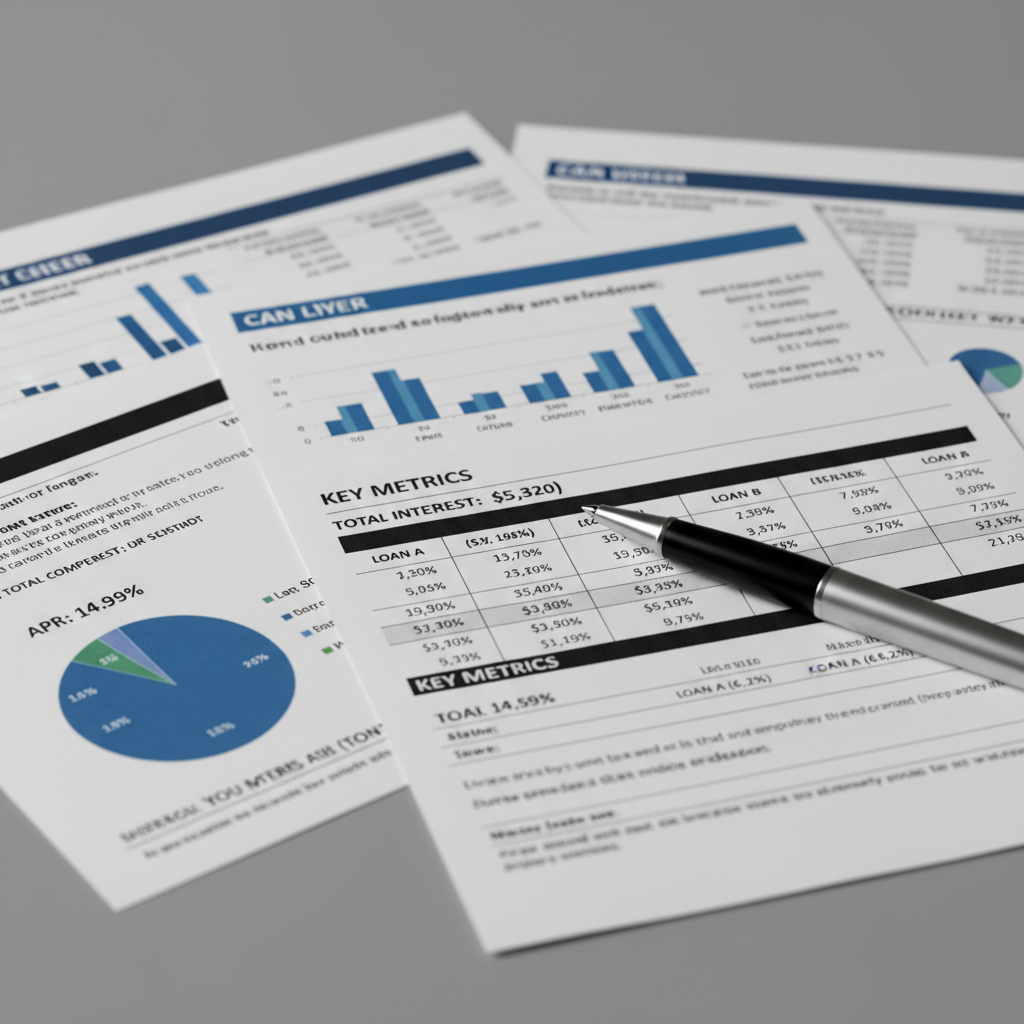
Interest rates and terms can vary widely between different financing options. It's crucial to understand the total cost of financing, including any additional fees. Comparing offers from multiple lenders can help you secure the best deal.
The Role of Credit Score
Your business credit score can significantly impact the terms and interest rates you receive on equipment financing. A higher credit score often means better terms and lower interest rates. If your credit score needs improvement, it might be wise to address this before seeking financing.
Building and maintaining a strong credit profile should be an ongoing priority for your business. Regularly monitoring your credit report can help you stay on top of your credit health.
Researching Lenders
Finally, researching potential lenders is an essential step in the equipment financing process. Look for lenders with a solid reputation and experience in your industry. Reading reviews and seeking recommendations from other business owners can provide valuable insights.
Don’t hesitate to ask potential lenders about their terms, fees, and any flexibility they offer in their financing options. A good lender will be transparent and willing to work with you to find the best solution for your business.