Comparing Equipment Leasing vs. Financing: What’s Best for Melbourne Businesses?
Understanding Equipment Leasing and Financing
For Melbourne businesses, acquiring the right equipment is crucial for maintaining smooth operations and staying competitive. Two popular options for obtaining equipment are leasing and financing. Both have their advantages and disadvantages, making it essential to understand which option suits your business needs best.
What is Equipment Leasing?
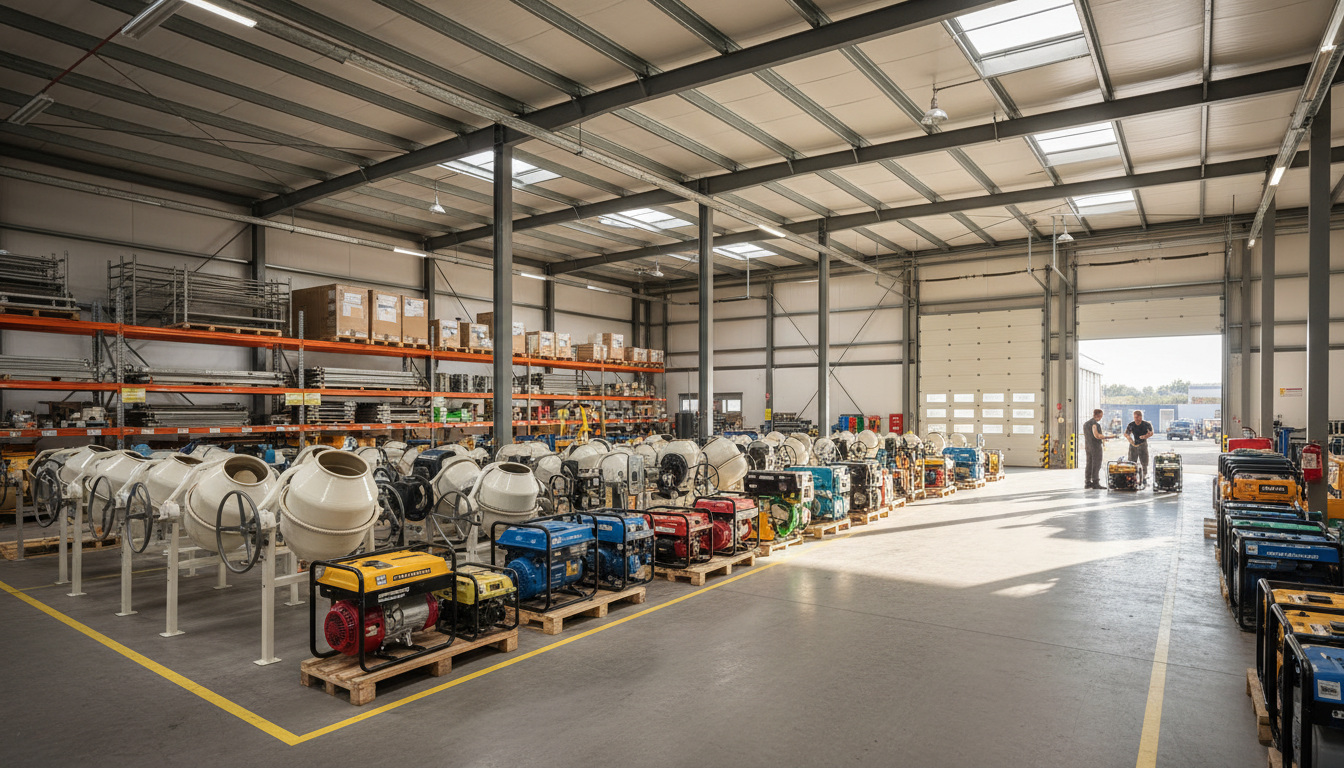
Equipment leasing allows businesses to rent equipment for a specific period. Typically, this involves regular payments to the leasing company, and at the end of the lease term, the business may have the option to purchase the equipment, return it, or renew the lease. Leasing is often a preferred choice for businesses that need to upgrade their equipment regularly or have limited capital.
One of the key benefits of leasing is that it provides flexibility. Businesses can access the latest technology without committing large sums of money upfront. Additionally, leasing usually includes maintenance services, reducing the burden of repairs and upkeep.
The Advantages of Equipment Financing
Equipment financing, on the other hand, involves borrowing money to purchase the equipment outright. This means the business owns the equipment once the loan is repaid. Financing is ideal for businesses that prefer ownership and want to build equity in their equipment over time.

With financing, businesses can take advantage of tax deductions related to depreciation, potentially reducing their overall tax burden. Another advantage is that once the loan is paid off, the equipment can be used without further financial obligations, apart from maintenance.
Comparing Costs: Leasing vs. Financing
Cost is a significant factor when deciding between leasing and financing. Leasing often requires lower initial costs, making it attractive for startups or businesses with cash flow constraints. However, over the long term, leasing can be more expensive compared to financing, as lease payments can accumulate to exceed the cost of purchasing the equipment.
Financing may require a down payment, but it often results in lower total expenditure over time, especially if the equipment has a long usable life. It’s important to evaluate the total cost of ownership versus the benefits of leasing to make an informed decision.
Consideration of Business Needs
When choosing between leasing and financing, businesses should consider their specific needs and growth plans. Factors such as the frequency of equipment upgrades, budget constraints, and long-term business goals play a critical role in this decision.
For businesses that require the latest technology or anticipate rapid growth, leasing might be the better option. Meanwhile, businesses with stable equipment needs might benefit more from financing.
Making the Right Choice for Your Business
Ultimately, the decision between equipment leasing and financing depends on a variety of factors specific to your Melbourne business. Assessing your cash flow, tax implications, and equipment needs will guide you toward the best choice.
Consulting with financial advisors or industry experts can provide additional insights and help tailor a solution that aligns with your business objectives. Whether you choose leasing or financing, the right decision will support your business’s operational and financial health.