Comparing Equipment Financing vs. Leasing: What Melbourne Businesses Need to Know
Understanding Equipment Financing and Leasing
For businesses in Melbourne, acquiring new equipment is often essential for growth and efficiency. However, the decision between financing and leasing can be complicated. Both options have their pros and cons, and understanding these can help businesses make informed decisions that align with their financial goals.
What is Equipment Financing?
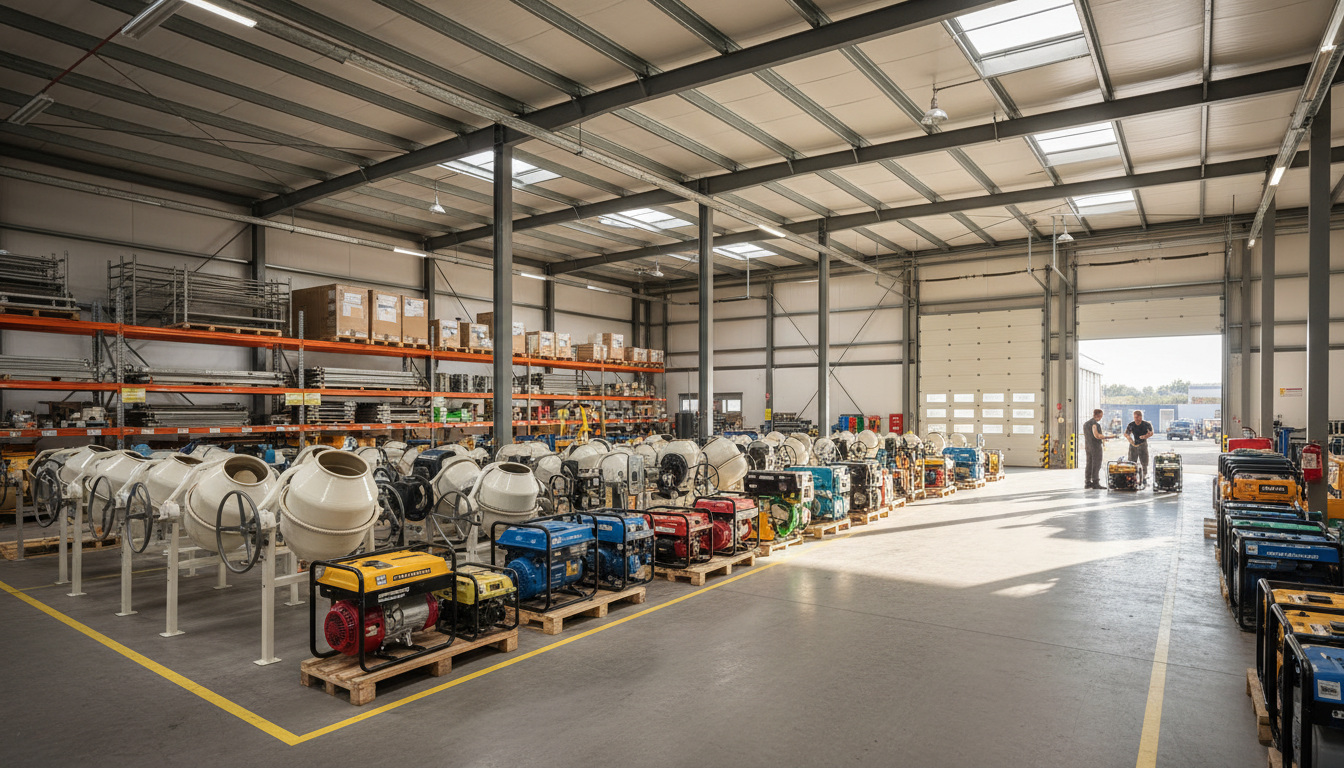
Equipment financing involves borrowing money to purchase equipment. This approach allows businesses to own the equipment once the loan is paid off. The primary advantage is the ownership, which means the equipment becomes a long-term asset.
Typically, financing requires a down payment, and the loan is paid off in monthly installments. The interest rates and terms can vary, so it’s crucial to shop around for the best deal. Additionally, businesses can often claim tax benefits from depreciation on the equipment.
Advantages of Leasing Equipment
Leasing, on the other hand, involves renting equipment for a specific period. At the end of the lease term, businesses may have the option to purchase the equipment, renew the lease, or return it. This flexibility is attractive to many businesses.

Leasing can be ideal for equipment that becomes obsolete quickly, such as technology or software. It often requires little to no down payment, freeing up cash flow for other business needs. Leasing payments can also be tax-deductible as a business expense.
Key Differences to Consider
When comparing financing and leasing, consider the following factors:
- Ownership: Financing leads to ownership, while leasing does not unless you choose to purchase at the end of the term.
- Cash Flow: Leasing typically requires lower upfront costs, whereas financing might involve a significant down payment.
- Flexibility: Leasing offers more flexibility if technology or equipment needs change frequently.
Making the Right Choice for Your Business
The decision between financing and leasing should align with your business's financial strategy and operational needs. Consider the type of equipment, the rate of technological change, and your long-term business goals.

Consulting with a financial advisor can also provide valuable insights specific to your industry and location. Melbourne businesses have access to various financial institutions and leasing companies, making it easier to find a suitable option.
Conclusion
Both equipment financing and leasing have their advantages and disadvantages. By carefully considering the needs and financial position of your business, you can choose the best path forward. Whether owning the equipment or maintaining flexibility is more important, making an informed decision will support your business's growth and success.